 Written by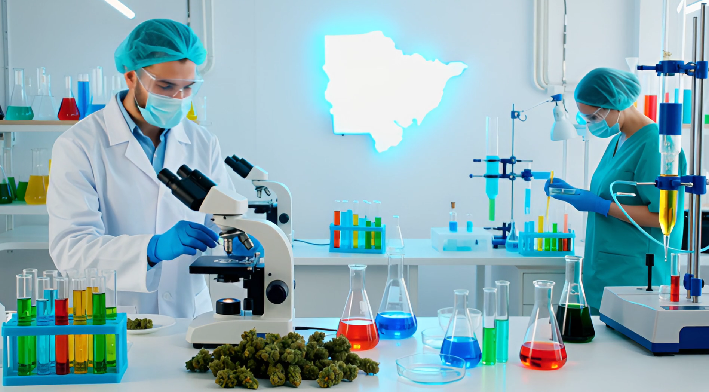
If you’re purchasing or consuming cannabis in Virginia, knowing how to know if your Virginia cannabis is lab-tested properly can mean the difference between safe usage and hidden risks. Proper lab testing matters for potency, contaminants and overall quality. In this article you’ll learn the key standards, how to read lab results, what to ask your provider, and why Virginia’s regulations matter.
1. Why Lab Testing Matters
Cannabis isn’t just about getting high. The plant can harbor pesticides, heavy metals, mycotoxins, residual solvents and microbial contaminants — all of which can pose health risks. In Virginia, registered labs must test botanical cannabis batches for pesticides, microbiological contaminants, heavy metals, mycotoxins, water activity and moisture content. Virginia Cannabis Information Portal
Additionally, accurate potency analysis and terpene profiling help you understand what you’re consuming.
For example, the independent lab Green Analytics Virginia (Ashland, VA) helps cultivators and processors ensure integrity and safety via ISO 17025 accredited methods. Green Analytics Virginia+1
2. Know Virginia’s Lab-Testing Requirements
Virginia code requires that cannabis testing labs:
- Be independent from the cultivation/processing business. Virginia Cannabis Information Portal+1
- Have proof of accreditation (or application) under ISO/IEC 17025 standards. Virginia Cannabis Information Portal+1
- Test each harvest batch of botanical cannabis for the required categories listed above (pesticides, heavy metals, mycotoxins, microbiological, moisture, etc.). Virginia Cannabis Information Portal
If a batch fails the pesticide chemical residue test in Virginia, it cannot be remediated and must be destroyed. Virginia Cannabis Information Portal
3. How to Read a Certificate of Analysis (COA)
A COA is the document that shows lab-testing results. Wikipedia
Here’s how to interpret one:
a. Lab accreditation & identification — Look for the lab name, address, accreditation number, date of test.
b. Sample info — Strain name, batch number, date of harvest, date of test.
c. Potency results — THC, THCA, CBD, etc. If the numbers seem wildly different from product packaging, that might be red flag.
d. Terpene profile — Indicates aroma/flavour compounds; less critical for safety but good for quality.
e. Safety screen results — Check for pesticides (list of chemicals), heavy metals (lead, cadmium, mercury), microbial counts (yeast, mold), mycotoxins, residual solvents in extracts.
f. Pass/fail status — For Virginia, if certain safety criteria are failed (especially pesticides) the product may not be legal for sale.
4. Questions to Ask Your Retailer or Processor
- “Which accredited lab tested this?”
- “Can you show me the COA and indicate its batch number?”
- “When was the sample taken — was it from the same harvest as this product?”
- “Were all required safety screens passed under Virginia regulations?”
- “What were the limits for each contaminant and how do the results compare?”
If they hesitate or cannot provide these details, walk away.
5. Additional Tips for Consumers & Growers
- For flower, ask about moisture content and water activity (too high = risk of mold).
- For extracts or concentrates, check for residual solvents and terpenoid/terpene analyses.
- If you’re growing at home (where legal) and self-testing: use third-party labs rather than relying on at-home cheap machines, especially for safety.
- Keep COAs handy (scan/store) so you can reference them later and verify when batches change.
- Choose products with batch/lot numbers and QR codes linking to lab results when available.
✅ Final Takeaway
Understanding how to know if your Virginia cannabis is lab-tested properly empowers you to make informed, safer choices. Always seek a full COA, verify the lab’s credentials, and ensure the product passed Virginia’s required safety tests. Quality matters.
🔍 Question
Have you checked the COA for your last Virginia cannabis purchase? Take a screenshot now — then share in the comments which safety screen surprised you the most (pesticides, heavy metals, moisture, etc.).