
 Written by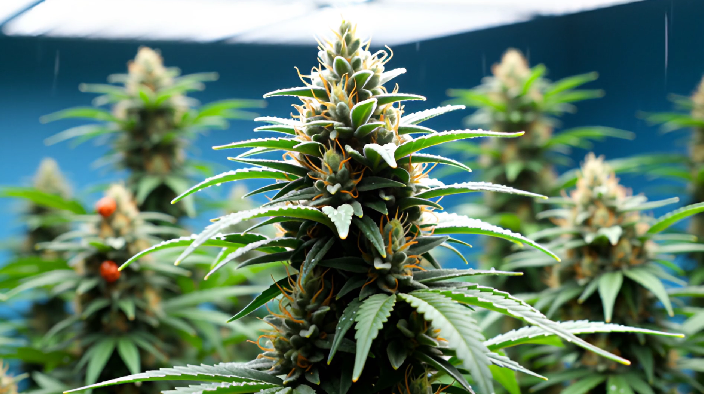
Neem oil has long been promoted as a “natural” pesticide, but cannabis growers are learning the hard way that neem oil can fail lab tests and trigger compliance issues, especially in regulated medical cannabis markets. The problem isn’t just residue — it’s chemistry. When neem oil is applied to flowering plants, compounds can break down into azadirachtin-derived contaminants that are now flagged in many state testing panels.
Growers who want premium flower with high THC, intense aroma, and safe compliance need to transition to clean IPM alternatives that protect terpenes, trichomes, and consumer safety.
🚫 Why Neem Oil Is Failing More Cannabis Lab Tests
Even though neem oil is “organic,” it is not safe for cannabis flower for the following reasons:
❌ 1. Azadirachtin Residue
Lab facilities are increasingly testing for azadirachtin, the primary active compound in neem.
Studies demonstrate that azadirachtin can persist on plant surfaces well past harvest — even after drying and curing.
🔗 Research for reference
• Environmental Persistence of Azadirachtin in Agricultural Crops (Journal of Environmental Science & Health)
• Effects of Azadirachtin Residues in Edible Plants (Journal of Agricultural & Food Chemistry)
❌ 2. Risk of pyrolysis by-products when smoked
When neem oil residue is burned, it produces harmful combustion by-products — a major reason regulatory bodies prohibit its use on smokable cannabis.
❌ 3. It permanently degrades terpene quality
Neem oil coats resin glands, leading to:
- muted aroma
- lower flavor intensity
- reduced “loudness” and bag appeal
Once terpenes are coated, they do not bounce back.
Chemical-Free IPM Pest Control
🌿 Clean Alternatives That Pass Testing and Protect Flower Quality
🟢 1. Beneficial Predator Insects (Highest Success Rate)
Best natural defense without residue:
| Pest | Biological Predator |
|---|---|
| Spider mites | Phytoseiulus persimilis, Neoseiulus californicus |
| Fungus Gnats | Stratiolaelaps scimitus (Hypoaspis) |
| Thrips | Amblyseius swirskii |
| Aphids | Ladybugs + Aphidius wasps |
Predators leave zero residues and do not disrupt trichomes.
🟢 2. Beauveria bassiana (Microbial Pathogen)
A living fungus that attacks soft-body insects but does not harm cannabis plants.
Safe for late veg and early flower.
🟢 3. BT (Bacillus thuringiensis kurstaki)
Top choice for caterpillar control in outdoor grows.
Breaks down rapidly → no test failure risk.
🟢 4. Sulfur (Veg Only — Never in Flower)
A powerful IPM tool when used correctly.
Do NOT mix sulfur and oil products (phytotoxic risk).
🟢 5. High-Brix Plant Nutrition
A plant with proper mineral balance creates natural systemic pest resistance, meaning fewer sprays and higher terpene production.
🧪 Lab-Safe IPM Schedule (Zero-Residue Model)
| Growth Stage | IPM Strategy |
|---|---|
| Clone | Microbial dips + quarantine |
| Veg | Beneficial insects + Beauveria spray |
| Transition to Flower | Add additional predators |
| Weeks 4–8 of Flower | No foliar sprays — beneficial insects only |
| Dry & Cure | Environment + clean trimming only |
This program protects cannabinoid and terpene output while keeping compliance 100% safe.
🔥 The Bottom Line
If your goal is high THC, loud terpenes, passing lab tests, and premium market pricing, neem oil must be eliminated from your flowering IPM strategy. The new standard in modern cannabis cultivation is zero-residue biological control.
💬 Question
What pests are giving you the most trouble right now — spider mites, gnats, thrips, aphids, or caterpillars?