
 Written by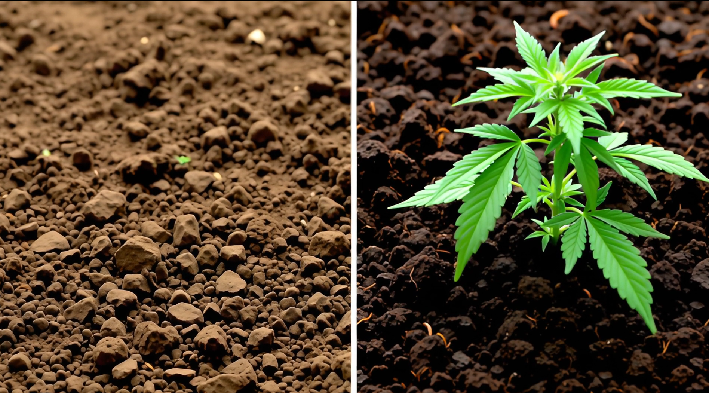
How Reusing Soil Can Create Cleaner, Healthier Cannabis Crops Long-Term
In the quest for purity and potency, many growers overlook their most valuable asset: the living ecosystem beneath their plants. The practice of reusing soil through no-till methods isn’t just sustainable—it’s scientifically proven to create superior growing conditions that lead to cleaner, more therapeutic cannabis with each successive cycle. When you commit to reusing soil, you’re not just recycling medium; you’re cultivating a thriving microbial universe that becomes more sophisticated and effective with time.
The Science Behind Soil Maturation: Why Old Soil Outperforms New
Research in soil ecology has demonstrated that established, no-till systems develop complex fungal networks and bacterial communities that simply can’t exist in fresh, sterile soil. A study published in Applied Soil Ecology found that fungal-to-bacterial ratios increase significantly in perennial no-till systems, leading to better nutrient cycling and plant health [hyperlink “Applied Soil Ecology” to relevant study: https://www.sciencedirect.com/science/article/abs/pii/S0929139316303998]. This means each time you’re reusing soil, you’re building a more resilient ecosystem that naturally suppresses pathogens and makes nutrients more bioavailable to your plants.
The No-Till Method: Your Guide to Perpetual Soil Health
Step 1: Post-Harvest Reset
After harvest, don’t remove the root ball. Cut the stem at soil level, leaving the roots to decompose and create natural aeration channels. These decaying roots become food for your soil life and create the perfect environment for new roots to follow.
Step 2: Strategic Re-amending
For each cubic foot of soil, add:
- 1 cup worm castings (microbial inoculant)
- ½ cup kelp meal (trace minerals)
- ½ cup neem cake (pest resistance)
- ½ cup crustacean meal (slow-release nitrogen)
- 1 cup basalt rock dust (mineral spectrum)
Step 3: Cover Crop Establishment
Plant a mix of clover, vetch, and buckwheat as a living cover. This protects soil life, fixes nitrogen, and creates green manure when chopped down before your next cannabis planting.
The Tangible Benefits of Reusing Soil
1. Enhanced Terpene Production
Mature soil ecosystems containing mycorrhizal fungi have been shown to increase plant production of secondary metabolites—including the terpenes and cannabinoids that determine cannabis quality and therapeutic effect.
2. Natural Pest Resistance
Well-established soil food webs include beneficial nematodes and microorganisms that outcompete or consume common cannabis pests, reducing your need for interventions.
3. Water Efficiency
The organic matter and fungal networks in reused soil act like a sponge, holding moisture more effectively and reducing your watering frequency by up to 30%.
Common Myths About Reusing Soil Debunked
Myth: “Old soil accumulates toxins.”
Truth: Properly managed no-till soil actually breaks down and metabolizes potential toxins through microbial activity.
Myth: “You’ll get nutrient deficiencies.”
Truth: A well-amended perpetual soil provides more balanced nutrition than any bottled nutrient regimen.
Myth: “It’s more work than buying new soil.”
Truth: After the initial setup, maintained soil requires less work—no weekly mixing of nutrients, no pH adjustments, just water.
By committing to reusing soil, you’re investing in a system that becomes more valuable with each harvest, producing cannabis that’s not only cleaner and more potent but also grown in true harmony with nature.
Companion Plants that Protect Cannabis
Question:
“How many cycles have you run with your current soil, and what improvements have you noticed in plant health or final product quality?